
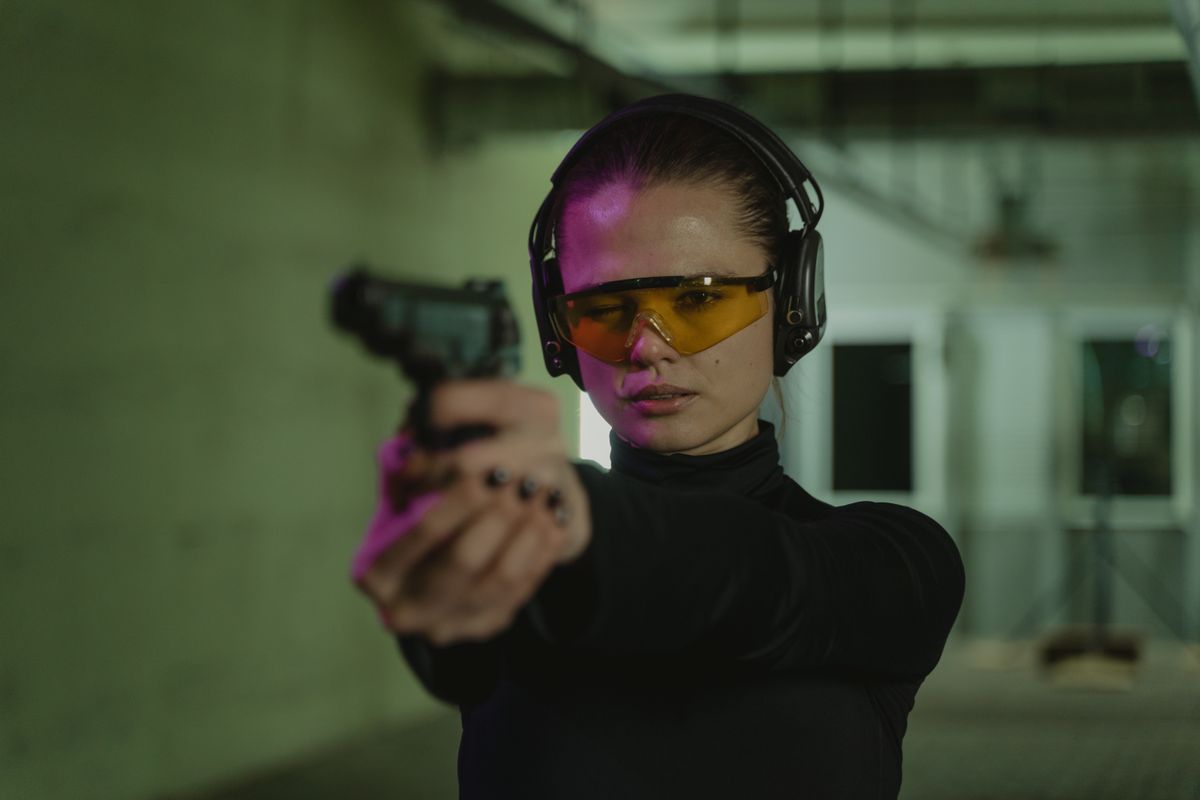
Learning to shoot is a process, not an event. New shooters often feel pressure to perform quickly, which can lead to habits that slow progress and increase risk. Most mistakes are not caused by lack of ability—they are caused by lack of understanding, rushed training, or poor fundamentals.
Recognizing common errors early helps new shooters build safer habits, progress faster, and develop confidence that is based on skill rather than assumption.
Skipping Safety Fundamentals
Safety is the foundation of all firearms training. When basic safety steps are skipped or treated casually, risk increases dramatically.
- Failing to verify that a firearm is unloaded
- Allowing the muzzle to cover unintended objects
- Placing a finger on the trigger too early
- Becoming distracted during handling
Safety is not a checklist—it is a continuous behavior.
Rushing the Learning Process
New shooters often want immediate results. Progress, however, comes from deliberate practice—not speed.
- Trying to shoot faster than skill allows
- Skipping dry fire and fundamentals
- Moving to advanced drills prematurely
- Ignoring feedback or instruction
Progress comes from deliberate practice, not haste.
Poor Grip and Stance
Grip and stance provide the foundation for recoil control and accuracy. Poor fundamentals here affect everything else.
- Inconsistent grip pressure
- Improper hand placement
- Locked or overly tense posture
- Unbalanced or unstable stance
Fundamentals must be understood, not copied.
Inconsistent Trigger Control
Trigger control errors are one of the most common causes of poor accuracy in new shooters.
- Slapping or jerking the trigger
- Anticipating recoil
- Failing to follow through
- Resetting the trigger inconsistently
Smooth, deliberate trigger control is more important than speed.
Ignoring Dry Fire Practice
Dry fire allows shooters to build skill without recoil, noise, or ammunition cost.
- Slower skill development
- Poor trigger control habits
- Less familiarity with firearm operation
- Increased anxiety during live fire
Dry fire, when done safely, is one of the most effective training tools available.
Focusing on Equipment Instead of Skill
New shooters are often drawn to equipment changes instead of skill development.
- Constantly changing firearms or accessories
- Overemphasizing optics or upgrades
- Ignoring fundamentals in favor of gear
Skill development always outweighs equipment choice.
Lack of Situational Awareness
Awareness extends beyond the sights and target. Shooters must remain aware of their environment at all times.
- Tunnel vision during shooting
- Neglecting surroundings and bystanders
- Failing to assess safe backstops
- Ignoring range rules or commands
Awareness is as important as accuracy.
Not Seeking Professional Instruction
Self-teaching often reinforces bad habits and slows improvement.
- Reinforced bad habits
- Slower improvement
- Increased frustration
- Safety gaps
Professional training provides structure, correction, and accountability.
Conclusion
Every shooter makes mistakes early in their training. What matters is recognizing them and correcting them before they become ingrained habits. Avoiding these common mistakes helps new shooters build confidence that is earned—not assumed—and supports a lifetime of responsible firearm ownership.
← MORE FROM THE KNOWLEDGE BASE