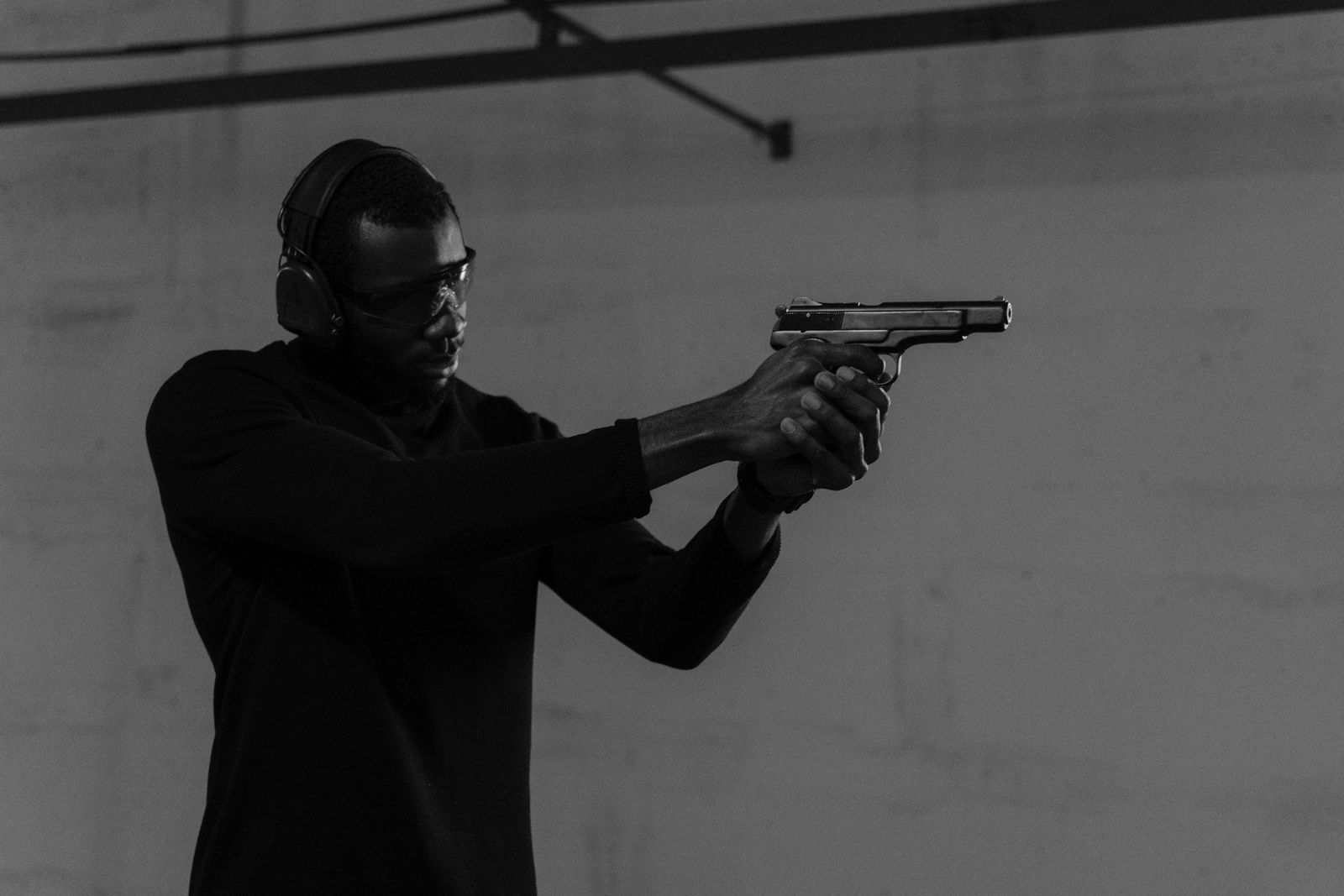
For new shooters, learning to safely and effectively handle a firearm can feel overwhelming. Grip, stance, sight alignment, trigger control, and safe gun handling must all come together at once—often under pressure. One of the most effective ways to build these skills safely and efficiently is through dry fire training.
Dry fire—practicing with an unloaded firearm—allows beginners to develop fundamental skills without the distraction of recoil, noise, or ammunition cost. When done correctly and safely, it is one of the most powerful tools in firearms training.
What Is Dry Fire Training?
Dry fire training is the practice of operating a firearm without live ammunition. It allows shooters to focus entirely on technique, safety, and consistency without external distractions.
- Drawing and presenting the firearm
- Sight alignment and sight picture
- Trigger press and follow-through
- Reload and malfunction drills (with inert magazines)
- Safe handling and manipulation
Dry fire is not pretend shooting. It is deliberate, structured practice focused on building correct habits.
Builds Safe Gun Handling from the Start
For beginners, safety must come before speed or accuracy. Dry fire allows new shooters to slow down and focus on safe handling without the added risk of live ammunition.
- Learn how to safely load, unload, and verify a firearm
- Practice muzzle discipline and trigger finger placement
- Build familiarity with controls and operation
Develops Proper Trigger Control
Trigger control is one of the most common challenges for new shooters. Live fire often masks poor trigger habits due to recoil and noise.
- Press the trigger straight to the rear
- Observe sight movement during the trigger press
- Learn follow-through without anticipation
Because there is no recoil, mistakes are visible immediately, allowing errors to be corrected early.
Reduces Flinch and Recoil Anticipation
Many beginners struggle with flinching caused by noise and recoil. Dry fire removes these factors entirely.
- The brain learns what a correct trigger press feels like
- Confidence develops before live fire is introduced
- Live-fire performance improves faster when range training begins
Allows High-Quality Repetition Without Cost or Pressure
Skill development requires repetition, but live fire can be expensive and time-limited. Dry fire allows frequent, focused practice in a controlled environment.
- Practice more frequently
- Train at home in a controlled environment
- Focus on quality repetitions rather than round count
Builds Confidence Before Live Fire
Confidence is critical for beginners. Dry fire helps shooters become comfortable with their firearm before stepping onto the range.
- Handling the firearm
- Operating controls
- Understanding how the firearm functions
Reinforces Discipline and Mindset
Dry fire reinforces deliberate practice and a disciplined mindset that carries over into live fire training.
- Training is about process, not rushing
- Every repetition has a purpose
- Safety procedures are non-negotiable
Safety Rules for Dry Fire Practice
Dry fire must always be conducted with strict adherence to safety procedures to prevent negligent discharges.
- Unload the firearm completely and verify it visually and physically
- Remove all live ammunition from the training area
- Choose a safe direction for dry fire practice
- Use a dedicated dry fire target or backstop
- Do not reintroduce live ammunition until dry fire is complete
Conclusion
Dry fire is one of the most important training tools for beginners. It builds safe handling, improves trigger control, reduces flinching, and develops confidence before live fire is introduced. For new shooters, dry fire is not optional—it is foundational.
← MORE FROM THE KNOWLEDGE BASE